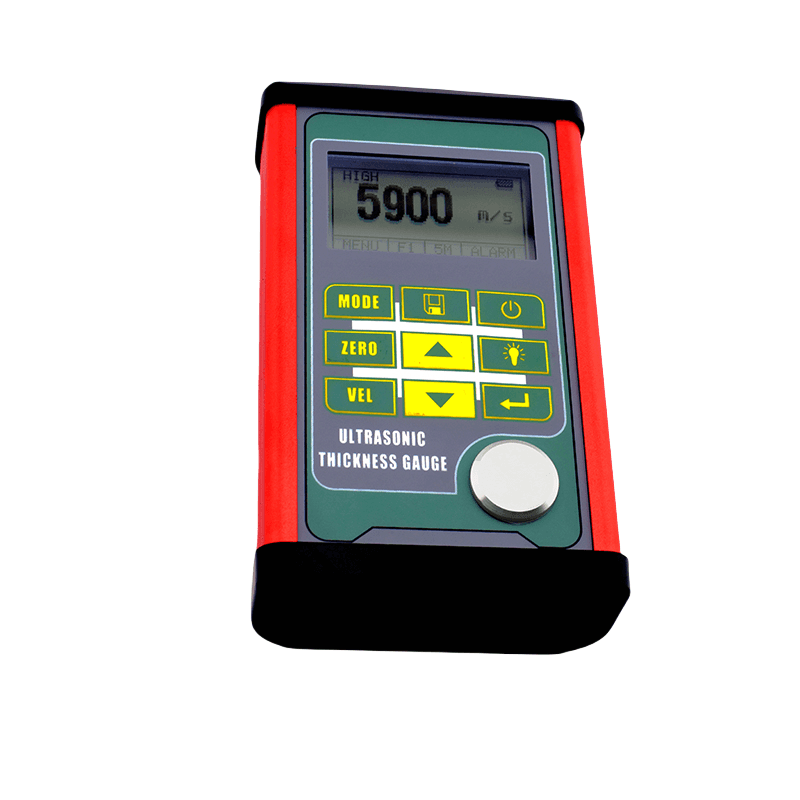
Need the Right Equipment? Contact us today for product information, pricing, and phone orders.
Ultrasonic Testing Guide
Ultrasonic Thickness Testing Basics
A practical introduction to ultrasonic thickness measurement and its common industrial applications.
What Is Ultrasonic Thickness Testing?
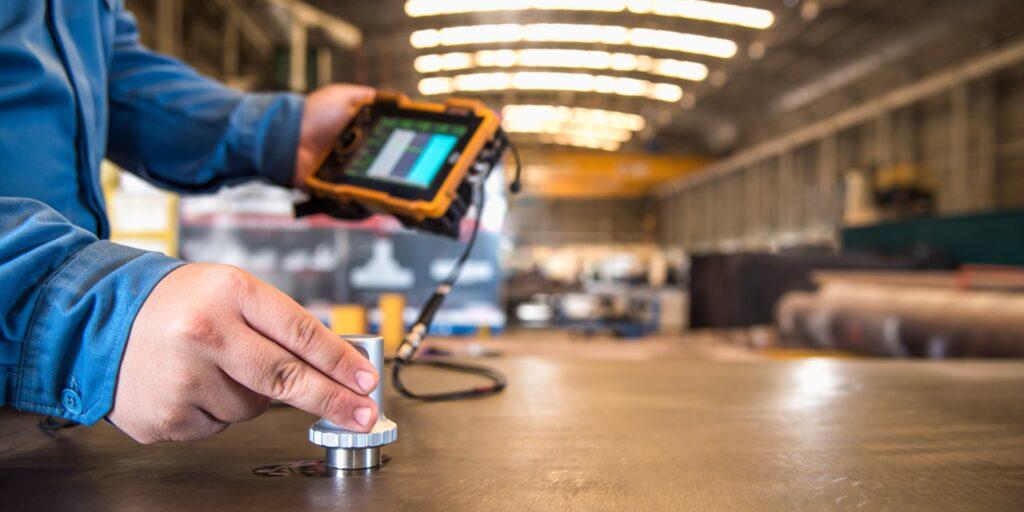
Ultrasonic thickness testing is a non-destructive testing (NDT) method used to measure material thickness from one side of a component.
A probe sends ultrasonic sound waves through the material. The gauge measures the returning signal and calculates the material thickness.
Why Use Ultrasonic Thickness Testing?
Ultrasonic testing allows thickness measurements without cutting, damaging, or disassembling the component.
It is especially useful for detecting material loss caused by corrosion, erosion, and wear in industrial equipment.
Common Applications
Ultrasonic thickness gauges are commonly used to inspect pipes, storage tanks, pressure vessels, boilers, structural steel, and machinery.
They are widely used for routine inspections, corrosion monitoring, preventive maintenance, and evaluating remaining material thickness.
Getting Accurate Measurements
Reliable measurements depend on proper surface preparation, calibration, probe selection, and good contact with the test surface.
Remove loose rust, dirt, or debris before testing and apply suitable ultrasonic couplant between the probe and material.
Choosing the Right Thickness Gauge
Consider the material, expected thickness range, surface condition, accessibility, and working environment when selecting a gauge.
Different applications may require different probes, frequencies, measurement ranges, and instrument features.
Need Help Choosing a Gauge?
Not sure which ultrasonic thickness gauge fits your application? Tell us what material you're testing and your measurement requirements.
Galaxy Equipment Supply LLC can help you identify the right equipment for your inspection needs.