Need the Right Equipment? Contact us today for product information, pricing, and phone orders.
Equipment Maintenance
NDT Equipment Care & Maintenance
Practical tips for keeping your testing instruments accurate, reliable, and ready for the job.

Keep Your Equipment Clean
Regular cleaning is one of the simplest ways to keep NDT equipment performing reliably. After each use, remove couplant, dust, dirt, oil, and other residue from the instrument and accessories.
Use appropriate cleaning materials and avoid allowing liquids or debris to enter connectors, ports, or other sensitive areas.
Inspect Probes and Cables
Probes, transducers, and cables are frequently exposed to demanding working conditions. Check them regularly for cracks, excessive wear, damaged connectors, or loose connections.
Damaged accessories can affect signal quality and measurement reliability. Replace worn or damaged components when necessary.
Check Calibration Regularly
Calibration helps ensure that your instrument continues to provide reliable measurements. Verify calibration before important inspections and according to the manufacturer's recommended procedures.
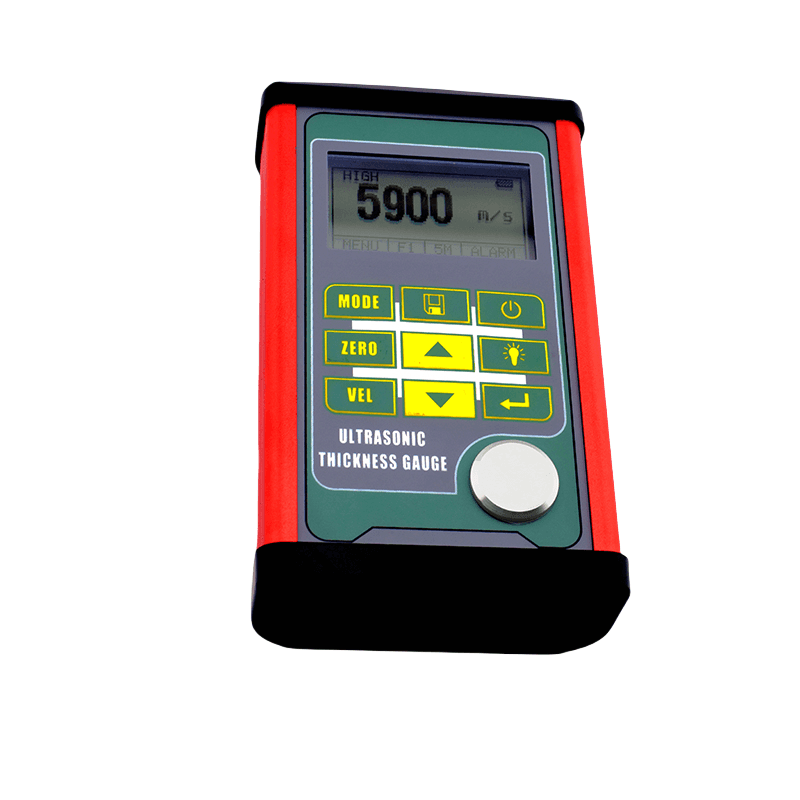
For thickness gauges and other measurement instruments, reference standards or calibration blocks can help confirm that the equipment is operating correctly.
Store Equipment Properly
When equipment is not in use, keep it in a clean, dry, and protected environment. A protective carrying case can help prevent damage during storage and transportation.
Avoid prolonged exposure to excessive heat, moisture, dust, vibration, or other harsh conditions that may affect sensitive electronic components.
Maintain Batteries and Accessories
Check battery condition regularly and replace or recharge batteries as needed. If equipment will be stored for an extended period, follow the manufacturer's recommendations for battery storage.
Keep essential accessories such as probes, cables, couplant, calibration blocks, and cleaning materials organized so your equipment is ready when needed.
Keep Maintenance Records
A simple maintenance log can help track calibration checks, inspections, repairs, battery replacements, and equipment condition over time.
Consistent maintenance records make it easier to identify recurring issues and help ensure that your testing equipment remains dependable for future inspections.